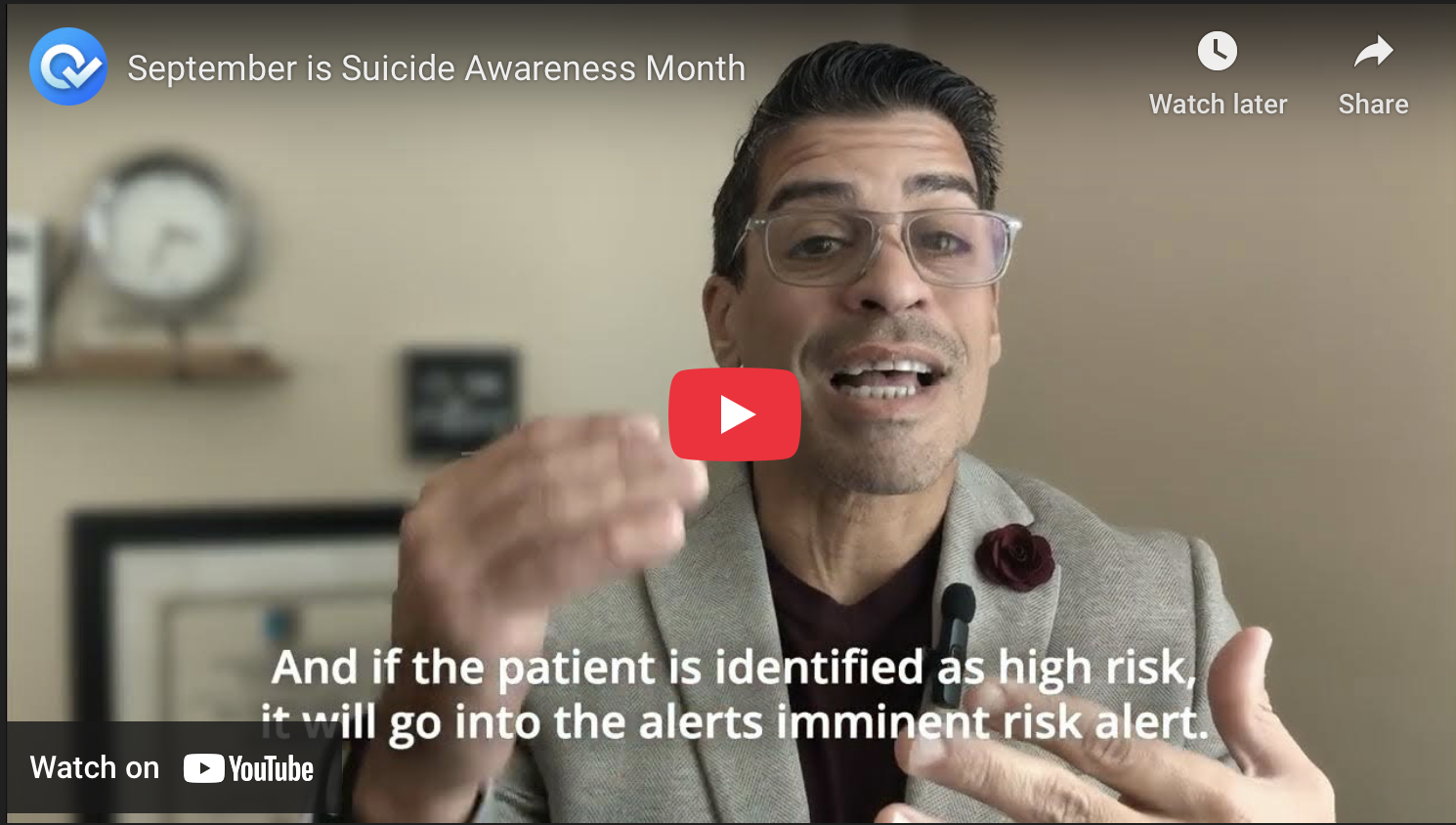
In this short video, I explain what makes QHS unique — a flexible, data-driven ecosystem that brings structure, clinical insight, and billing readiness to your everyday workflows.
How QHS Works Across Populations
- Pediatrics → Pediatric Health Assessment: Tracks developmental, behavioral, and health issues affecting children and adolescents. Helps pediatricians detect early emotional or developmental risks and guide family-centered care.
- Primary Care → Health Assessment: Focuses on overall well-being and healthcare utilization through the Q-Scale, while integrating validated tools such as PHQ-9 and GAD-7 to assess mood and anxiety. It also captures physical symptoms — allergy, pain, fatigue — for an accurate whole-person profile.
- Geriatrics → Q-Cog™ (Biopsychosocial Lens): Goes beyond cognition. Q-Cog™ assesses physical safety, mood, and social determinants of health alongside cognitive change. Ideal for annual wellness and chronic-care visits where complexity demands a full-spectrum view.
- Specialty Care → Allergy Baseline & Behavioral Instruments: ENT, allergy, and behavioral-health specialists can integrate digital assessments into their existing visits — linking symptom tracking, behavior monitoring, and treatment adherence to measurable outcomes.
Support Features That Make QHS Different
- Automated reports with ICD-10 mapping and CPT prompts.
- Population analytics that flag at-risk patients for proactive outreach.
- Patient-friendly feedback fostering education and shared decision-making.
- Seamless integration into BHI, CCM, and value-based care programs.
If your practice aims to identify specific patient groups — from pediatric to geriatric — QHS offers the right digital instruments for every setting. Contact us to tailor the suite to your population and workflow. Let’s turn every assessment into meaningful, measurable care.
Warm regards,
Dr. M